
















Long before guidebooks, itineraries, or seaside resorts, Calicut was already known to the world. Its fame travelled not through postcards but through spices — pepper, ginger, cardamom, and cloves that carried the scent of Malabar across oceans. For centuries, this port city stood at the heart of global trade, shaping histories far beyond its shores.
To understand Calicut is to understand its spice routes. These ancient paths of commerce did more than move goods. They connected cultures, languages, and ideas, laying the foundation for the city’s open spirit and enduring global identity.
Calicut as the Gateway of Spices
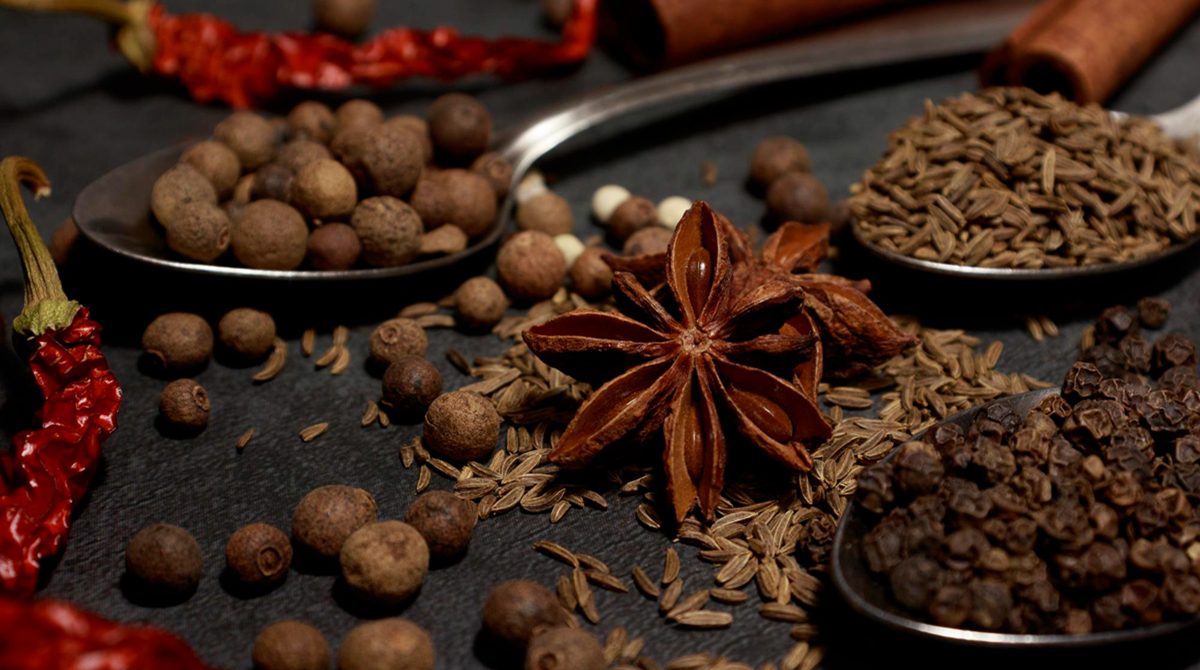
Calicut’s rise as a global trading hub was driven by geography. Positioned along the Malabar Coast, it offered safe harbours and easy access to the spice-growing regions of the Western Ghats. Traders from Arabia, Persia, China, and later Europe anchored their ships here, drawn by the promise of spices that were as valuable as gold.
Black pepper, often called “black gold,” was the most prized of them all. From Calicut’s ports, it travelled to distant markets, influencing cuisines, economies, and empires. The city became synonymous with abundance, quality, and trust in trade.
A City Built on Exchange, Not Conquest
Unlike many trading centres shaped by conquest, Calicut flourished through cooperation. The Zamorins, who ruled the region, understood the value of open trade. They offered protection and freedom to merchants regardless of origin or belief.
This approach created an atmosphere of mutual respect. Markets thrived, relationships endured, and Calicut became a place where traders returned generation after generation. Commerce here was not just transactional; it was relational — a trait that continues to define the city today.
The Spice Routes on Land and Sea
The spice trade was sustained by an intricate network of land and sea routes. Spices grown in the forested hills travelled by foot, bullock carts, and river routes to Calicut’s ports. From there, they sailed across the Arabian Sea to the Middle East and beyond.
These routes transformed Calicut into a meeting point of worlds. Languages mixed, culinary techniques merged, and ideas crossed borders. The city’s culture absorbed these influences naturally, creating a layered identity that remains visible in its food, architecture, and customs.
How Spices Shaped Culture and Cuisine
The influence of the spice routes is most vividly felt in Calicut’s cuisine. Malabar food reflects centuries of exchange, blending local ingredients with techniques introduced by traders and settlers.
Spices were not merely trade goods; they became part of daily life. Cooking evolved into an art of balance, using spices to enhance rather than overpower. Meals became expressions of history, carrying the legacy of the spice routes in every bite.
For travellers today, tasting Malabar cuisine is one of the most immediate ways to connect with this past.
Encounters That Changed History
Calicut’s prominence on the spice routes eventually drew European attention. When Vasco da Gama arrived on its shores in 1498, he did not discover a new land — he encountered a city already deeply connected to the world.
This moment marked the beginning of a new chapter in global history. Yet even as colonial ambitions grew, Calicut retained its identity as a place shaped by trade, dialogue, and cultural exchange rather than isolation.
Why the Legacy Still Matters
The spice routes did more than bring wealth. They shaped Calicut’s worldview. Openness, adaptability, and respect for difference became ingrained values. The city learned to thrive on exchange — of goods, ideas, and people.
Today, this legacy explains why Calicut feels welcoming and familiar to visitors. Its comfort with diversity and conversation can be traced back to centuries of interaction along the spice routes.
Experiencing the Spice Route Spirit Today
While the ancient routes no longer carry caravans and ships laden with spices, their spirit lives on. It can be felt in Calicut’s markets, kitchens, and conversations. The city continues to celebrate its spice heritage not as a tourist attraction, but as part of everyday life.
For travellers, understanding this history adds depth to every experience — turning a meal into a story and a walk through the city into a journey through time.
Where to Stay
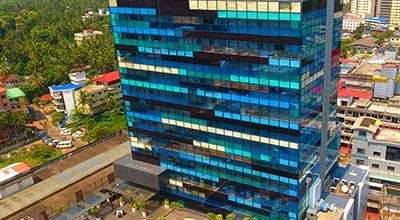
To explore Calicut’s spice legacy, staying in the heart of the city offers the richest perspective. The Raviz Calicut, located close to historic trade areas and cultural landmarks, provides a refined base for travellers seeking to understand the city beyond its surface. Recognised among the preferred 5 star hotels in Calicut, it blends modern comfort with a setting that reflects Calicut’s layered past.