

















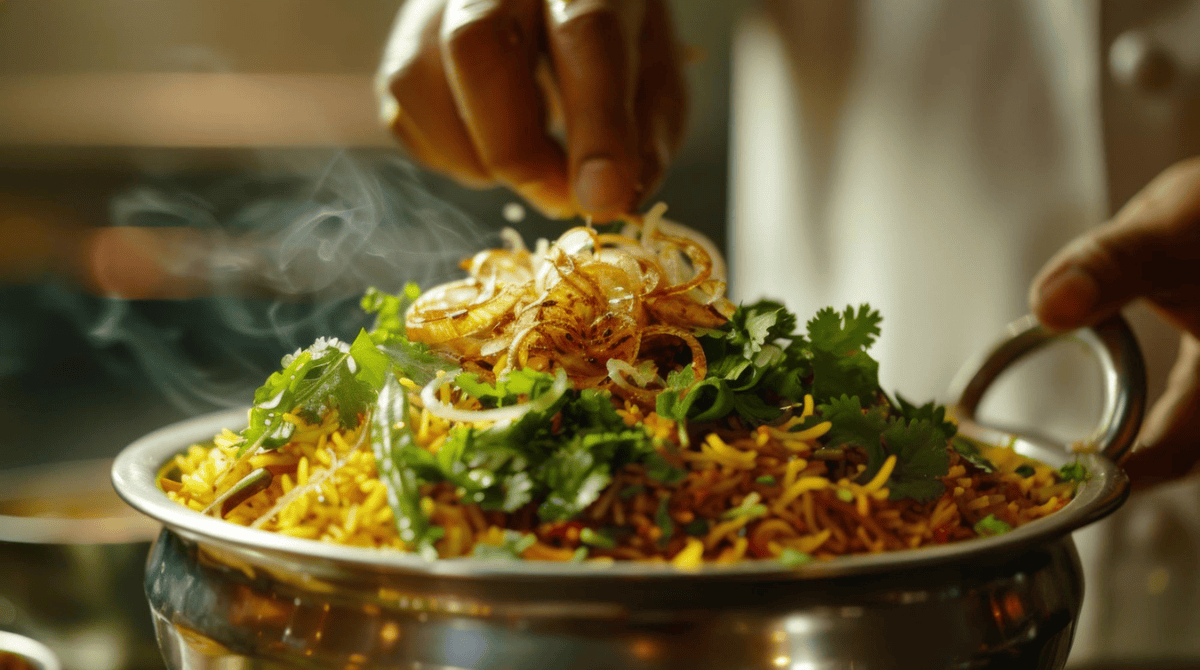
Kozhikode is a destination where food is closely connected to history, culture and everyday life. While the city’s famous biriyani is widely recognised, its culinary identity extends well beyond this celebrated dish. Traditional Malabar cooking features distinctive rice preparations, flavourful meat dishes, coastal seafood and carefully balanced spice combinations that reflect generations of culinary knowledge.
Influenced by its maritime history and cultural exchanges, Kozhikode has developed a food culture with its own distinctive character. For visitors exploring the city, discovering these regional specialities offers an opportunity to experience another side of its heritage.
Here are some local food experiences worth exploring beyond Kozhikode biriyani.
1. Discover Traditional Malabar Rice Preparations
Rice is an essential part of everyday dining in Kozhikode. Beyond biriyani, the region has several traditional rice preparations that are enjoyed with meat and seafood accompaniments.
Some varieties worth discovering include:
- Neichoru: A fragrant rice preparation cooked with ghee and aromatic spices, commonly served with meat curries.
- Erachi Choru: A traditional combination of rice and meat prepared with regional spices.
- Ari Pathiri: A thin rice-based preparation traditionally paired with chicken, mutton or seafood curries.
- Ghee Rice: A flavourful preparation combining rice, ghee and whole spices.
These dishes highlight the variety of rice-based meals that form part of Malabar’s traditional food culture.
2. Experience Traditional Malabar Meat Dishes
Meat preparations have a distinctive place in Kozhikode’s culinary traditions, particularly in Mappila cuisine. The dishes are recognised for their rich masalas, aromatic spices and carefully developed flavours.
Visitors can explore preparations such as:
- Kozhi Nirachathu: A traditional stuffed chicken preparation featuring a flavourful filling and regional spices.
- Beef Ularthiyathu: A slow-cooked preparation with roasted spices, onions and curry leaves.
- Mutton Kuruma: A rich meat preparation featuring aromatic spices and a creamy gravy.
- Chicken Peralan: A traditional dry-style chicken dish coated in a thick, flavourful masala.
These preparations showcase the use of local ingredients and cooking techniques that distinguish Malabar meat cuisine.
3. Explore Kozhikode’s Coastal Seafood Specialities
Kozhikode’s location along the Malabar Coast has strongly influenced its food traditions. Fresh fish, prawns, mussels and other seafood varieties are important ingredients in local cooking.
Traditional seafood preparations often combine regional spices, coconut, tamarind and other locally used ingredients.
Some dishes worth exploring include:
- Kallummakkaya Ularthiyathu: A mussel preparation cooked with onions, spices and curry leaves.
- Chemmeen Roast: Prawns cooked in a rich masala featuring regional spices.
- Meen Pollichathu: Fish seasoned with spices, wrapped in banana leaves and cooked.
- Traditional Fish Curry: A coastal preparation using regional spice combinations and souring ingredients.
The recipes and cooking methods can differ between households, offering visitors different interpretations of Kozhikode’s seafood traditions.
4. Understand the Importance of Spices in Malabar Cuisine
Kozhikode has a long association with the spice trade. Historically, the city attracted merchants from different parts of the world who travelled to the Malabar Coast for valuable spices, particularly pepper.
This history continues to be reflected in the region’s culinary practices. Spices are used not only to add heat but also to create aroma, depth and balance in traditional dishes.
Some important ingredients include:
- Black Pepper: Adds warmth and a distinctive flavour to meat and seafood preparations.
- Cardamom: Contributes an aromatic quality to selected rice and meat dishes.
- Cloves: Adds depth to traditional spice blends.
- Cinnamon: Provides a warm aroma to certain curries and rice preparations.
- Turmeric: Contributes colour and earthy flavour to regional dishes.
The combination and preparation of these spices play an important role in giving Malabar cuisine its characteristic taste.
5. Discover the Role of Coconut in Traditional Cooking
Coconut is another important ingredient in Kozhikode’s culinary heritage. It is used in different forms, including grated coconut, coconut milk and roasted coconut paste.
Depending on the recipe, coconut can add richness, texture and a mild sweetness that balances the heat of regional spices.
In traditional Malabar cooking, roasted coconut paste is particularly useful for developing deeper flavours in selected curries and meat preparations. Coconut milk, meanwhile, contributes a smoother consistency to certain dishes.
The different ways coconut is incorporated into recipes reflect the resourcefulness and distinctive cooking practices of the region.
6. Explore the Traditional Cooking Techniques of Malabar
The character of Kozhikode’s cuisine comes not only from its ingredients but also from the methods used to prepare them.
Several traditional cooking techniques contribute to the flavour and texture of regional dishes.
- Slow Cooking: Meat is often cooked gradually to allow spices and other ingredients to develop their flavours.
- Spice Roasting: Selected spices and coconut are roasted before being ground or added to curries.
- Banana Leaf Cooking: Certain fish preparations use banana leaves to retain moisture and allow the ingredients to cook together.
- Fresh Masala Preparation: Locally prepared spice blends contribute to the distinctive flavour of traditional recipes.
These methods have been passed down through generations and continue to influence Malabar cooking today.
7. Understand the Cultural Influences Behind Kozhikode’s Food
Kozhikode’s culinary identity is closely connected to its history as a major maritime trading centre. For centuries, the city maintained commercial and cultural connections with Arab merchants and other trading communities.
These interactions influenced local food traditions through the exchange of ingredients, cooking practices and culinary ideas.
Mappila cuisine is an important expression of this cultural heritage. It combines locally available ingredients such as rice, coconut, seafood, meat and spices with distinctive preparation methods.
Food also plays an important role in family gatherings, celebrations and community traditions. Certain preparations are associated with special occasions, while others remain part of everyday meals.
Exploring these connections helps visitors understand how Kozhikode’s history has shaped its culinary identity.
8. Experience Malabar Hospitality at The Raviz Calicut
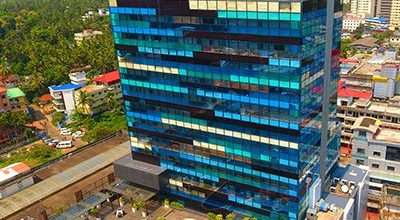
For travellers looking to experience Kozhikode’s culinary heritage during their stay, The Raviz Calicut offers a comfortable setting complemented by its hospitality and dining experiences.
Guests can enjoy a selection of regional Kerala specialities, Malabar-inspired flavours and international cuisine. The dining experience provides an opportunity to appreciate the region’s culinary traditions while enjoying the comfort and ambience of the hotel.
Combining regional food experiences with refined hospitality, The Raviz Calicut adds to the overall experience of discovering Kozhikode.
Discover Kozhikode Beyond Its Famous Biriyani
Kozhikode’s culinary appeal extends far beyond its iconic biriyani. Its traditional rice preparations, distinctive meat dishes, coastal seafood and carefully balanced spices offer visitors a deeper understanding of Malabar’s food heritage.
Exploring these flavours is also a way to appreciate the city’s connection with maritime trade, local ingredients and generations of culinary traditions.
For travellers seeking comfort, regional dining and convenient access to the city, The Raviz Calicut offers a welcoming base for discovering Kozhikode. Among the 5 star hotels in Calicut, it combines refined hospitality with opportunities to experience the culinary and cultural character of the Malabar region.