











Kozhikode, also known as Calicut, is a city where centuries of history remain closely connected to its coastline, architecture, neighbourhoods, and cultural traditions. Once a major centre of maritime trade on the Malabar Coast, the city welcomed merchants, travellers, and traders from different parts of the world.
For travellers interested in history, exploring the historical places in Kozhikode offers an opportunity to discover the city’s connections with the spice trade, the Zamorins, European explorers, and the cultural exchanges that shaped Malabar.
Kozhikode and Its Maritime Past
Kozhikode’s history is closely linked to the Arabian Sea. Its location along the Malabar Coast helped the city develop into an important centre for maritime trade.
Merchants from Arabia, Persia, China, and other regions travelled to the coast in search of valuable commodities, particularly spices. Pepper and other products from Kerala became important goods in international trade.
This exchange brought more than products to Kozhikode. Traders and travellers also introduced new cultural influences, traditions, and ideas, contributing to the diverse identity of the city.
For anyone exploring Kozhikode history, understanding its connection with the sea provides an important starting point.
The Zamorins and the Rise of Calicut
Kozhikode rose to prominence under the Zamorins, who played an important role in the political and commercial history of medieval Malabar.
Under their rule, Calicut developed into a major trading centre. Merchants arriving by sea contributed to the prosperity of the city, while its position on the Malabar Coast strengthened its role in regional and international commerce.
The legacy of the Zamorins remains an important part of Calicut history, helping visitors understand how the city became one of the most significant trading centres in Kerala.
Kappad and Vasco da Gama
One of the most famous chapters in the history of Kozhikode is connected with Kappad.
In 1498, Portuguese explorer Vasco da Gama arrived on the Malabar Coast at Kappad. His arrival marked an important moment in European maritime exploration and the history of the spice trade.
The event brought a new phase of European involvement in the region and eventually contributed to competition and conflict over control of maritime trade.
Today, Kappad is an important destination for travellers interested in Kozhikode heritage, offering an opportunity to connect the city’s coastal landscape with its place in world history.
Beypore and Traditional Maritime Heritage
Kozhikode’s maritime history can also be experienced at Beypore.
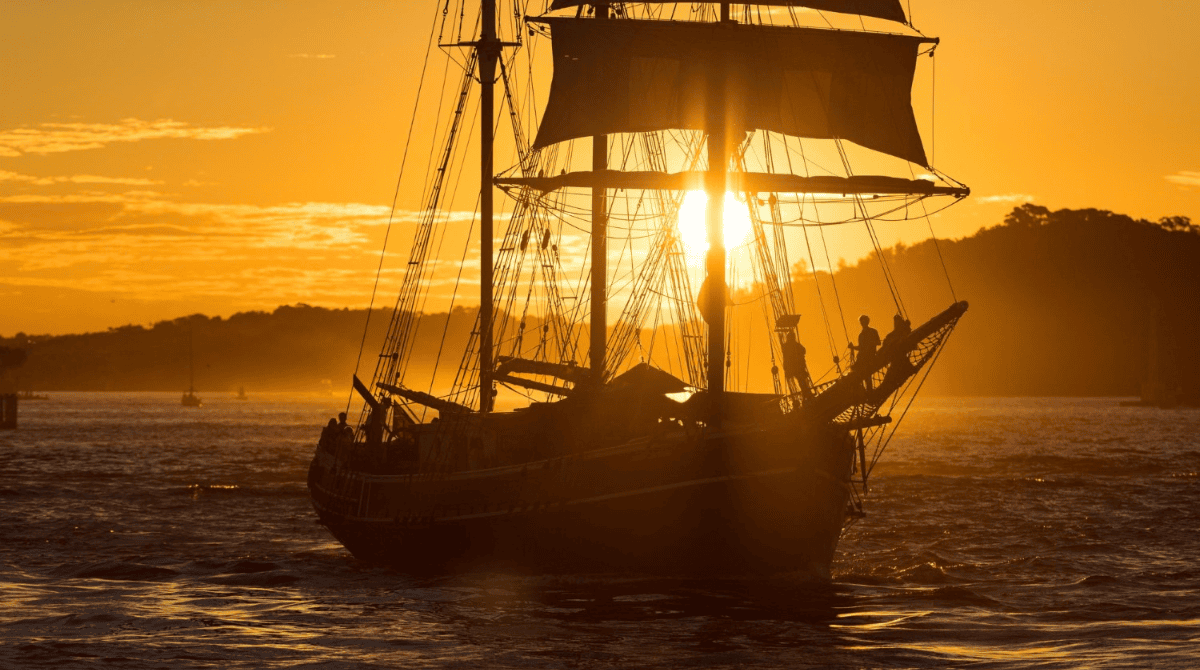
Beypore is traditionally known for the construction of Uru, large wooden sailing vessels associated with maritime trade. The craftsmanship involved in building these vessels has been passed down through generations.
This traditional boat-building heritage reflects the long relationship between the communities of Malabar and the sea. For visitors interested in the maritime history of Kozhikode, Beypore offers a different perspective from the better-known historical events associated with the city.
Kuttichira and Kozhikode’s Cultural Heritage
Kuttichira is another important area for understanding the cultural history of Kozhikode.
The neighbourhood has strong connections with the city’s Muslim communities and historic maritime trading networks. Traditional homes, old religious structures, and streets provide glimpses into the character of earlier Kozhikode.
The area also demonstrates the cultural exchange that took place through centuries of contact between Malabar and communities across the Arabian Sea.
Historic landmarks such as the Mishkal Mosque showcase how traditional Kerala architectural styles developed alongside cultural influences from other regions.
Mananchira and the Historic City Centre
Located in central Kozhikode, Mananchira is another landmark associated with the city’s history.
The area is connected with the Zamorin period and the development of Kozhikode as a political and commercial centre. Today, Mananchira provides a convenient starting point for exploring the historic side of the city.
For travellers searching for historical places in Kozhikode, exploring Mananchira along with nearby heritage areas can provide a glimpse into the city’s evolution.
Colonial Influences on Kozhikode
The Portuguese were followed by other European powers, including the Dutch and British, whose presence influenced the region’s trade, administration, and urban development.
The British period introduced new institutions, infrastructure, and architectural influences to Kozhikode. These layers of history remain part of the city’s identity alongside its older Malabar traditions.
Exploring Kozhikode’s heritage therefore means looking at several different periods and understanding how each contributed to the character of the modern city.
A City Shaped by Cultural Exchange
The history of Kozhikode is ultimately a story of connection.
Centuries of maritime trade brought merchants and travellers from different parts of the world, creating exchanges that influenced local food, architecture, traditions, and communities.
This cultural diversity continues to make Kozhikode an interesting destination for travellers who want to experience the heritage of the Malabar Coast.
Discover Kozhikode’s Heritage with Raviz Calicut
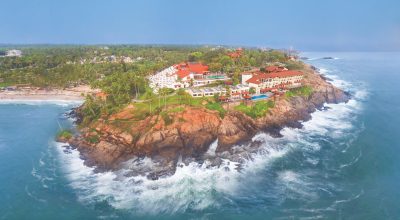
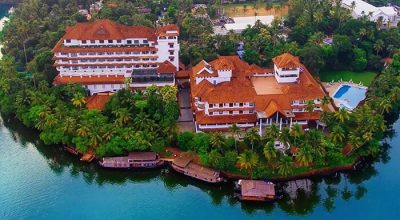
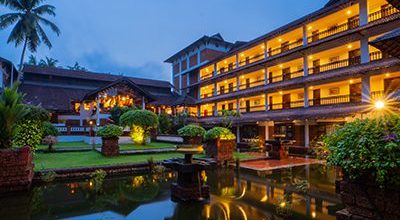
For travellers planning to explore Kozhikode’s historical places and cultural heritage, Raviz Calicut provides a comfortable base for discovering the city.
Its convenient location makes it easier to explore Kozhikode’s historic neighbourhoods, cultural landmarks, coastal attractions, and other experiences that reveal the character of Malabar.
Recognised among the preferred 5 star hotels in Calicut, Raviz Calicut offers a comfortable stay for travellers looking to discover the history, culture, and character of Kozhikode.
A Journey Through Kozhikode’s History
From the Zamorins and the historic spice trade to Kappad’s connection with Vasco da Gama, Beypore’s traditional shipbuilding, and the heritage of Kuttichira, Kozhikode offers many ways to explore its past.
For history lovers, discovering these places is more than sightseeing. It is an opportunity to understand the stories, cultures, and maritime connections that shaped Calicut and the wider Malabar Coast.