


















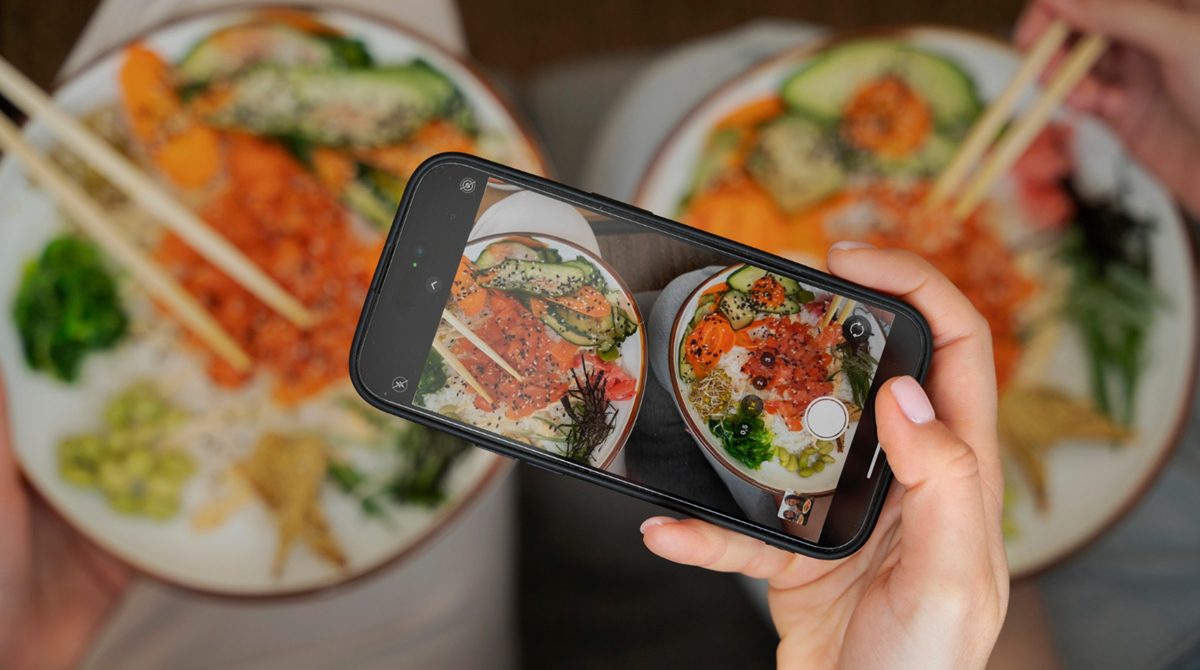
When we think about travel memories, we often picture landmarks, sunsets, and photographs. But long after the images fade, it’s often a flavour that lingers — the warmth of a spice, the comfort of a familiar dish in an unfamiliar place, or the joy of sharing a meal that felt deeply rooted in local life. Food, more than sightseeing, has the power to anchor memories in emotion.
Across cultures and continents, meals tell stories that monuments cannot. They carry history, tradition, and human connection — making food one of the most powerful ways to truly experience a destination.
Why Food Stays with Us
Sightseeing is visual. Food is sensory. It engages taste, smell, texture, and even sound — the crackle of a frying pan, the clink of cutlery, the hum of conversation around a table. These layered sensations create memories that feel personal and lasting.
Travellers may forget the exact layout of a city square, but they remember the meal they shared there. Food creates associations — between people, places, and moments — turning an ordinary experience into something intimate and unforgettable.
In many ways, food becomes the emotional bookmark of a journey.
Meals as Cultural Conversations
Every cuisine is a reflection of its people. Ingredients reveal geography, recipes reflect climate, and cooking methods carry generational wisdom. When travellers eat local food, they are not just consuming a dish — they are participating in a cultural exchange.
A home-style meal, a traditional feast, or a carefully prepared regional specialty often tells more about a place than a guided tour ever could. Food explains how people live, what they value, and how they celebrate.
In destinations like Kerala, where culinary traditions are closely tied to land and water, food becomes a direct connection to the region’s rhythm and way of life.
The Emotional Weight of Shared Meals
Some of the strongest travel memories are created not by what is eaten, but by how it is eaten. Shared meals slow people down. They invite conversation, laughter, and reflection. Sitting together at a table creates a sense of belonging, even in a foreign place.
Whether it’s breakfast by the river, a festive dinner during a local celebration, or a quiet meal after a long day of exploration, these moments often define how travellers remember a destination.
Food has the rare ability to turn a place into a feeling.
Food as a Marker of Time and Place
Travel memories are often recalled through taste. A particular spice can instantly transport someone back to a holiday years later. A dessert enjoyed during a festival can bring back the mood of an entire season.
This is because food is deeply connected to time. Seasonal ingredients, festive recipes, and local eating habits give meals context. They anchor experiences in a specific moment, making them harder to forget.
Sightseeing shows where you were. Food reminds you how it felt to be there.
Why Culinary Experiences Matter More Today
Modern travellers are increasingly seeking meaningful experiences rather than exhaustive itineraries. Food plays a central role in this shift. Instead of rushing from one attraction to another, travellers are choosing to spend time dining slowly, learning about local ingredients, and understanding regional flavours.
Culinary experiences offer depth without effort. They allow travellers to absorb culture naturally, without explanation or instruction. A well-prepared meal communicates authenticity in a way that no brochure can.
This is why food-focused travel often feels more satisfying and personal.
Kerala: A Destination Remembered Through Flavour
Kerala is a place where food and memory are inseparable. From spice-infused gravies to coconut-based desserts, every dish reflects the state’s geography, history, and hospitality.
Meals here are rarely rushed. They are meant to be shared, discussed, and enjoyed with intention. Whether it’s a traditional Malabar dish, a festive spread, or a simple cup of tea accompanied by local snacks, food in Kerala creates a sense of comfort that travellers carry with them long after they leave.
The flavours do not compete for attention — they invite connection.
When Where You Stay Shapes What You Remember
The role of accommodation in shaping food memories is often underestimated. Where you stay influences how you eat, how relaxed you feel, and how deeply you engage with local cuisine.
Resorts and hotels that respect regional flavours, source ingredients thoughtfully, and create calm dining environments allow food to become part of the travel story rather than just a necessity.
In such settings, meals become experiences — moments of pause that frame the journey.
Where to Stay
For travellers who value meaningful dining as part of their journey, choosing the right place to stay makes all the difference.
In the heart of the city, The Raviz Calicut offers refined dining experiences that celebrate Malabar cuisine while providing the comfort of a luxury city stay. Its thoughtful approach to food and hospitality makes it one of the preferred 5 star hotels in Calicut for travellers who remember destinations through flavour.
For those drawn to quieter moments, The Raviz Kadavu, set along the Chaliyar River, offers a serene environment where meals are enjoyed slowly, surrounded by nature. Here, food becomes part of the rhythm of the stay — calm, grounded, and deeply satisfying.
Both properties reflect the belief that travel is remembered not just by what you see, but by what you taste and feel.
Memories That Stay on the Tongue
Long after photographs are archived and journeys retold, it is often food that resurfaces first — a flavour, a fragrance, a moment shared across a table.
Because travel is not just about seeing new places. It is about experiencing them. And nothing captures experience quite like food.