














In Malabar, Ramadan is not only a month of spiritual reflection but also a time when culinary traditions come alive in homes, streets, and community gatherings. As the sun sets and the call to prayer marks the end of the day’s fast, families gather around tables filled with dishes that carry generations of flavour and memory.
The Iftar table in Malabar reflects the region’s rich cultural history. Influenced by Arab traders, local Kerala ingredients, and centuries of coastal trade, the cuisine combines spices, coconut, seafood, and rice in ways that feel both comforting and distinctive. For travellers visiting during Ramadan, experiencing Iftar in this region offers a unique introduction to Malabar’s culinary identity.
The Tradition of Breaking the Fast
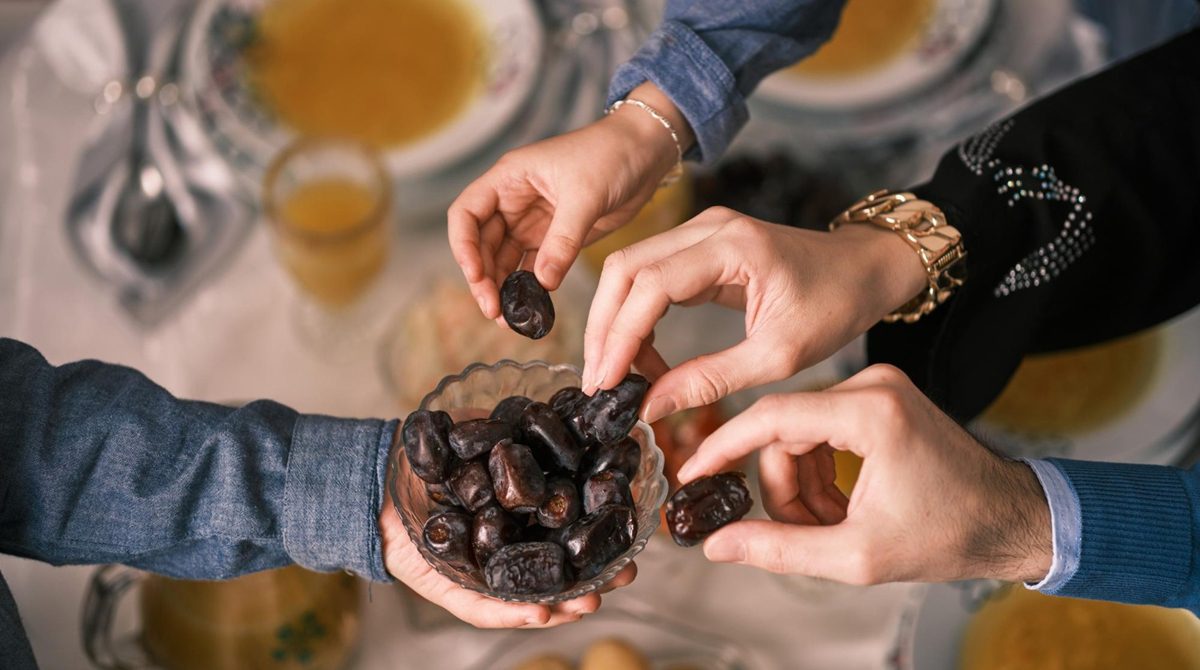
The Iftar meal traditionally begins in a simple and meaningful way. Dates and water are consumed first, following a practice rooted in Islamic tradition. These are often accompanied by light refreshments such as fruit juices or herbal drinks that help restore energy after a long day of fasting.
In Malabar households, this moment is usually quiet and reflective before the meal gradually unfolds into a variety of dishes prepared throughout the day. What follows is a spread that balances nourishing foods with flavourful snacks and hearty meals.
The Iftar table becomes a place where families reconnect, neighbours share food, and communities strengthen their bonds.
Pathiri and Malabar Breads
No Malabar Iftar table feels complete without pathiri, the soft rice-based flatbread that has become a defining element of the region’s cuisine. Made from finely ground rice flour, pathiri is delicate, thin, and light, making it perfect for pairing with rich gravies and stews.
Several variations of pathiri appear during Ramadan. Some are layered and flaky, while others are steamed or lightly roasted. They are typically served alongside meat or chicken curry, allowing the bread to absorb the aromatic spices and coconut-based sauces.
These breads reflect the simplicity and versatility of Malabar cooking, where a few ingredients can create dishes that feel deeply satisfying.
Snacks That Begin the Evening
Before the main meal begins, the Iftar table often includes an array of savoury snacks that have become synonymous with Ramadan in Malabar. These dishes are prepared fresh each evening and are enjoyed with tea or refreshing drinks.
Among the most beloved are Unnakkaya, a sweet banana-based delicacy filled with coconut and nuts, and samosas filled with spiced meat or vegetables. Another favourite is chicken cutlet, a crispy snack made from minced chicken, potatoes, and spices.
These small dishes bring energy and warmth to the table, easing the transition from fasting to the evening meal.
Malabar Biryani
One of the most celebrated dishes during Ramadan evenings is Malabar biryani, known for its fragrant rice and delicate balance of spices. Unlike many other regional biryanis in India, Malabar biryani uses jeerakasala rice, a small aromatic grain that absorbs flavours beautifully.
Prepared with tender meat or chicken, caramelised onions, and mild spices, the dish reflects the refined culinary heritage of the Malabar region. The influence of Arab trade routes can still be seen in the subtle sweetness and richness of the preparation.
For many families, biryani is reserved for special evenings during Ramadan, turning the Iftar meal into a festive occasion.
Soups and Light Dishes
After the initial snacks, many Malabar households also serve warming soups or lighter dishes that help balance the meal. A popular example is nombu kanji, a comforting porridge made from rice, coconut milk, lentils, and spices.
This dish is especially loved because it restores energy while remaining gentle on the stomach after a day of fasting. The soft texture and mild flavour make it both nourishing and satisfying.
In many mosques and community centres, large pots of nombu kanji are prepared and shared with everyone attending the evening prayer.
Desserts That End the Meal
Ramadan evenings in Malabar often end with traditional desserts that celebrate the region’s love for coconut, jaggery, and aromatic spices. One of the most popular sweets is unniyappam, small fried dumplings made with rice flour, ripe bananas, and palm sugar.
Another favourite is payasam, a rich dessert prepared with milk or coconut milk, sweetened with jaggery or sugar, and flavoured with cardamom and nuts. Each family often has its own version, passed down through generations.
These desserts bring a comforting sweetness to the end of the meal, leaving the table filled with warmth and satisfaction.
Food That Reflects Culture and Community
The Iftar table of Malabar is more than a collection of dishes. It reflects the values of sharing, generosity, and togetherness that define the holy month of Ramadan. Families prepare extra food to share with neighbours, mosques organise community meals, and visitors are often welcomed to join without hesitation.
For travellers, experiencing these meals offers a meaningful way to connect with the region’s traditions and hospitality.
Where to Stay
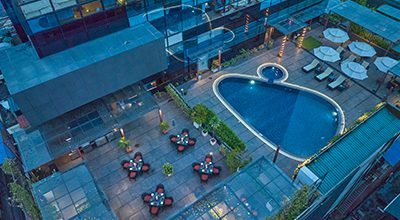
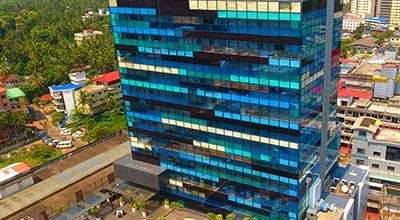
For visitors exploring the culinary and cultural traditions of Ramadan in Kozhikode, staying in the city centre offers easy access to its famous food streets and community gatherings. The Raviz Calicut, located in the heart of the city, provides a comfortable base from which to experience the flavours and traditions of Malabar.
Recognised among the best 5 star hotels in Calicut, it allows guests to discover the rich culinary heritage of the region while enjoying refined hospitality and modern comfort.