










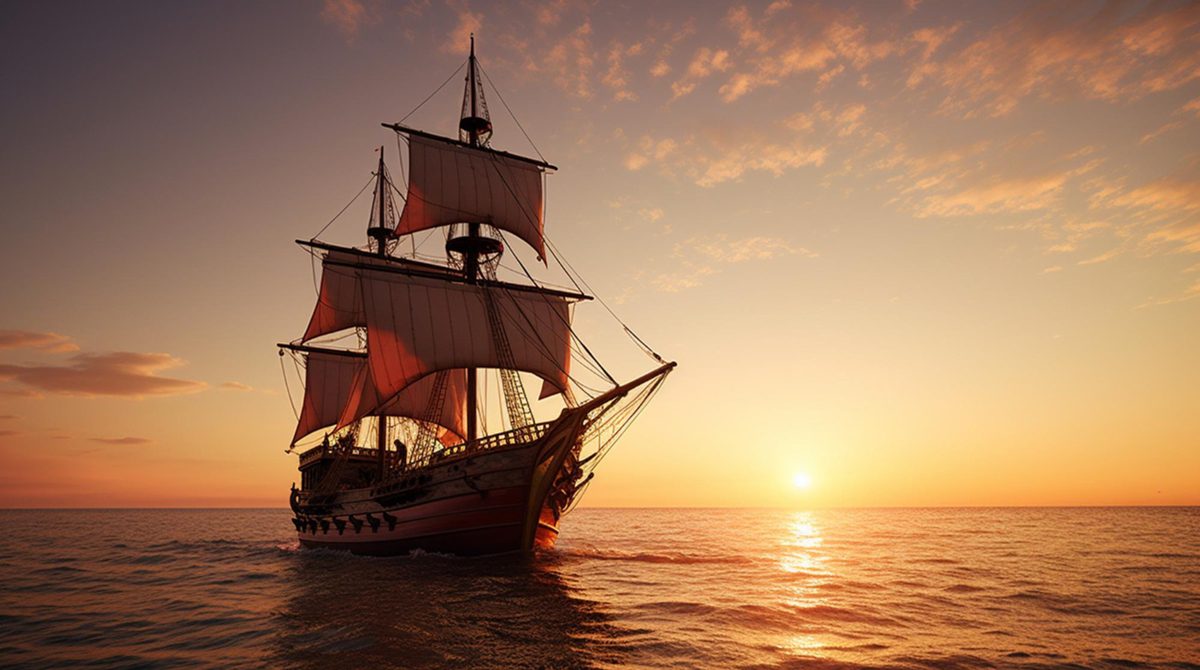
Along the quiet banks of Beypore in Calicut, the sound of wood meeting wood echoes through time. It is here that one of Kerala’s oldest maritime traditions continues to live — the craft of building Uru, the majestic wooden vessels that once sailed across oceans carrying spices, stories, and trade between Malabar and distant lands.
Watching an Uru take shape is not simply observing a boat being built. It is witnessing a craft passed down through generations, where patience, skill, and tradition come together to create something extraordinary.
A Legacy Rooted in the Spice Trade
Beypore’s history as a shipbuilding centre dates back centuries. When Calicut became a global hub along the spice routes, traders from the Middle East relied on sturdy wooden vessels to transport pepper, cardamom, and other prized goods.
The Uru was designed for these long journeys across the Arabian Sea. Built from durable teakwood and shaped by skilled artisans, these ships were known for their strength, elegance, and ability to withstand rough waters. Over time, Beypore’s craftsmen earned international recognition for their expertise.
Even today, many Uru boats are commissioned by buyers from the Middle East, continuing a maritime relationship that has existed for generations.
A Craft Without Blueprints
What makes Uru construction remarkable is the absence of formal blueprints. The entire process is guided by experience and memory. Master craftsmen visualise the structure of the vessel long before the first piece of wood is placed.
Each plank is measured and shaped using traditional methods, relying on instinct refined over decades. The curves of the hull, the alignment of the structure, and the balance of the vessel are all achieved through this deep understanding of the craft.
This knowledge is not written down; it is taught through apprenticeship. Younger craftsmen learn by observing and working alongside experienced builders, gradually absorbing the skills needed to continue the tradition.
Teak, Time, and Precision
The construction of an Uru begins with carefully selected teakwood, known for its strength and resistance to seawater. Large timber pieces are shaped and assembled to form the skeleton of the boat, creating the foundation on which the vessel grows.
From there, hundreds of wooden planks are fitted together with remarkable precision. The process is slow and deliberate. Every joint must align perfectly, every curve must be balanced. Depending on the size of the vessel, building an Uru can take anywhere from several months to more than a year.
The scale of these boats is impressive. Some Uru vessels stretch over a hundred feet long, making them among the largest handcrafted wooden boats still built in the world.
The Role of Community in the Craft
Uru building is not the work of a single artisan. It is a collective effort involving carpenters, woodworkers, and craftsmen who specialise in different stages of the process. Each person contributes a specific skill, creating a collaborative environment where experience and teamwork are essential.
In Beypore, the boatyards are more than workplaces. They are cultural spaces where tradition continues to thrive. Stories are exchanged alongside tools, and techniques are shared between generations to ensure that the craft does not fade.
For visitors, walking through these yards offers a rare glimpse into a living tradition.
Beypore Today – Tradition Meets Curiosity
While Uru vessels are still commissioned for private use, the boatyards of Beypore have also become a point of fascination for travellers. Watching the construction process up close reveals the extraordinary craftsmanship involved in every stage.
Visitors often find themselves captivated by the scale of the boats and the quiet dedication of the artisans. Unlike modern shipyards driven by machinery and speed, the Beypore yards operate with patience and rhythm.
Here, the focus remains on skill, precision, and respect for tradition.
Why the Uru Still Matters
In a world dominated by modern manufacturing, the Uru stands as a reminder of what human craftsmanship can achieve. Each vessel carries the story of Malabar’s maritime past and the resilience of traditions that refuse to disappear.
For Calicut, the craft of Uru building is not just history — it is identity. It reflects the city’s long relationship with the sea and its openness to cultures beyond its shores.
Where to Stay
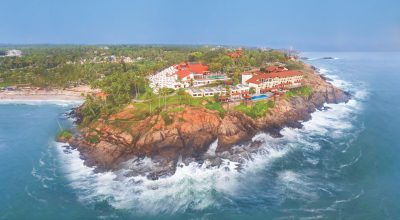
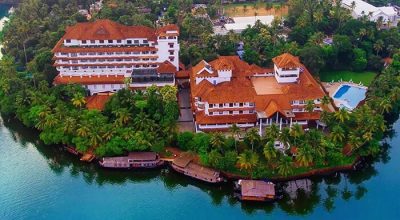
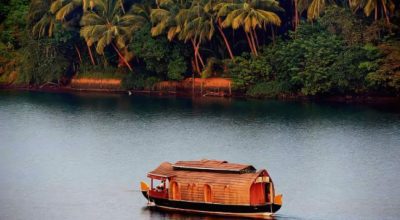
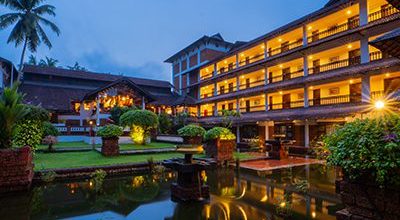
After exploring the historic boatyards of Beypore and witnessing the remarkable craft of Uru boat building, a stay by the river offers a fitting continuation of Malabar’s maritime story. The Raviz Kadavu, located along the picturesque Chaliyar River, reflects the region’s deep connection with water, trade, and tradition.
Recognized among the most scenic 5 star resorts in Kerala, The Raviz Kadavu offers guests a peaceful riverside setting while remaining conveniently close to Kozhikode’s historic ports and cultural landmarks. It provides the perfect base to experience the heritage and hospitality of the Malabar coast.